At the University Medical Center Göttingen (UMG), digital pathology is embedded in routine clinical practice, supporting complex diagnostics and academic research. As case volumes continue to rise significantly, the number of trained pathologists is not expected to increase at the same pace. This growing imbalance made it increasingly challenging to maintain workflow transparency and efficiency. From the outset, the vision was to establish a fully digital, paperless pathology workflow, covering the entire process from case registration through diagnosis and structured reporting.

UMG Göttingen Customer Story
As case volumes increased and diagnostic pathways became more complex, the pathology team faced growing pressure to maintain control across the entire workflow. Ensuring full traceability, from case registration through diagnosis and reporting, required significant coordination and manual effort.
At the same time, fluctuations in staffing created additional challenges. Maintaining consistent quality and stable processes during periods of high workload or reduced staffing became a continuous requirement. In a workflow dependent on physical slide handling, time-intensive steps such as sorting, transporting, and retrieving slides limited efficiency and delayed access to critical information.
The most valuable asset in pathology is the time of experienced pathologists. I wanted to use this capital in the most effective way possible.
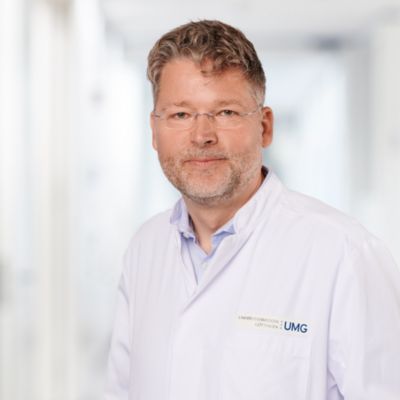
These challenges made it clear that a more scalable, transparent, and efficient approach was needed.
Digital pathology has fundamentally reshaped how work is performed within the institute. Manual steps such as slide sorting and physical transport have been eliminated, enabling parallel workflows and reducing delays in case handling. Pathologists now work from digital case lists, allowing them to prioritize urgent cases and focus more
directly on diagnosis rather than case management. One of the most visible changes is the ability to access cases instantly.
I can now open a case immediately, even while I am on the phone with a clinician and provide information that helps them and their patient right away.
The transition required careful planning and change management, including phased adoption and support for pathologists adapting to working without the microscope. Supported by Philips throughout implementation and early adoption, the institute was able to transition into routine digital diagnostics with minimal disruption. Digital collaboration enables instant case sharing for second opinions, while remote access to cases supports flexible working models and continuity of care.
The business case combined both measurable and qualitative factors. Reducing unproductive time spent on manual processes, such as retrieving and transporting slides, helped improve operational efficiency. At the same time, the institute explicitly assessed the cost of these inefficiencies and the potential productivity gains from digital workflows.
In parallel, digital workflows enabled more flexible working conditions, which can contribute to job satisfaction and helping attract and retain talent in a highly specialized field. Over time, digital pathology also helped create additional capacity, allowing the team to manage increasing case volumes more effectively.
As part of its ongoing optimization journey, the institute is preparing for the transition from Ultra Fast Scanners (UFS) to Pathology Scanner SG. These next-generation scanners support efficient image acquisition, reducing scan times by approximately 15% compared to previous systems[2] and enabling high-throughput daily operations.
With net scan times of around 45 seconds, the scanners help improve productivity and streamline laboratory workflows. In parallel, the platform introduces greater flexibility in data management, supporting storage across multiple network locations and enabling readiness for future standards such as DICOM-based workflows. Together, these advances support more efficient use of infrastructure while preparing the laboratory for scalable, future-ready digital pathology operations.
When AI can be accessed within the viewer, without disrupting how pathologists work, it has the potential to reduce inefficiencies, lower barriers for adoption, and truly support productivity and diagnostic workflows in practice.
With a mature digital foundation in place, Göttingen evolved from Philips IntelliSite Pathology Solution (PIPS) 3 to PIPS 6 as part of a broader technology lifecycle transition. The upgrade enables continued system support while introducing next-generation capabilities, including improved scalability, enhanced workflow performance, and the ability to integrate AI applications[1].
In addition, the digital platform enables streamlined collaboration through instant access to and sharing of cases across the institute. Pathologists can request second opinions without delays, support training of junior colleagues, and respond to clinical questions in real time. This ability to access and review cases anytime, including during live discussions, strengthens diagnostic workflows and supports more efficient and connected care delivery[3].
While the core workflow remains familiar for users, this evolution provides a strong foundation for future-ready pathology workflows, including cloud-based data management and greater interoperability. This step reflects a shift from digitization toward more scalable, AI-enabled pathology, with a focus on long-term readiness.
Especially in a training-intensive academic environment, this significantly lowers thresholds for interaction, reducing unproductive time, such as assistants waiting for availability, and enabling more continuous, case-based learning.
With digital pathology fully established, Göttingen is actively exploring the role of artificial intelligence in both clinical practice and research. Today, AI applications remain limited to specific use cases and cover only a small portion of the overall workload. Broader adoption will depend on solutions that are integrated into the workflow and capable of supporting diagnosis and reporting across the full process. This highlights the importance of building a strong digital and data foundation before scaling AI more broadly.
With the transition to PIPS 6, Göttingen is establishing the foundation for this next step, including the contextual launch of AI applications[1] such as Ibex directly within the viewer. This enables pathologists to access AI insights without leaving their workflow.
Across other digital pathology implementations, AI-enabled workflows have already demonstrated improvements in efficiency, productivity, and diagnostic confidence[4,5], reinforcing the potential of integrated AI to support pathologists in managing growing workloads and increasing complexity.
By combining a mature digital workflow with tightly integrated AI capabilities, Göttingen is building toward a scalable, future-ready model where AI can be embedded seamlessly into routine practice to enhance consistency, accelerate workflows, and support high-quality diagnostics.
What made the difference was that Philips supported us not only with technology, but also with implementation guidance, workflow integration, and hands-on support during adoption.
For pathologists, time is the most valuable resource. Digital pathology helps reclaim that time: enabling faster access to critical information. With more time to focus on diagnosis, and the ability to respond quickly to clinical questions, pathologists can deliver confident insights sooner. In turn, this facilitates timely care decisions, which can help patients receive the right treatment as early as possible.
The experience at the University Medical Center Göttingen highlights how digital pathology can help pathology teams improve workflow efficiency, enhance collaboration, and make more effective use of specialist expertise. Philips supported this transformation beyond technology, providing implementation guidance, workflow integration, and hands-on support during adoption to support a smooth transition into routine clinical practice. Through ongoing collaboration, Philips continues to support the institute in scaling its digital pathology environment and preparing for future innovations such as AI integration and advanced data management capabilities.
The University Medical Center Göttingen serves as a reference site, offering the opportunity to experience digital pathology workflows firsthand in a routine clinical setting. Visitors can explore how digital pathology is integrated into daily diagnostics, supporting efficiency, collaboration, and high-quality patient care.

